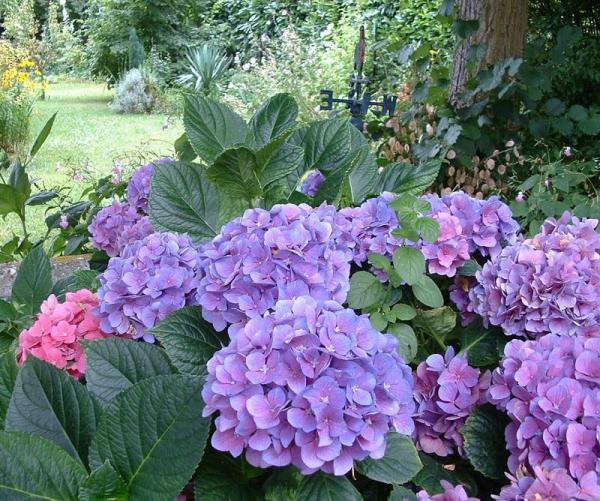
Hydrangeas are a very striking decorative plant because of their large, beautiful flowers during spring. However, you should know that they only flower during spring. During the rest of the year, the hydrangea should be looked after to prepare and ensure the next flowering. If you want to know how to care for hydrangeas and enjoy their beauty, read the following article.
Hydrangeas are a plant that need sunlight. This is why during spring, since it can enjoy the sun without being burnt, the plant should be in direct contact with it. Morning sun is preferable as it provides enough light without the intense heat of the afternoon.
Furthermore, if direct sunlight is not available, positioning the plant in a location with filtered sunlight can also be beneficial. This will help in preventing leaf scorch, which can occur when the sun is too intense.
Try to store the hydrangea in a cool place overnight. They cannot be constantly exposed to high temperatures. Humidity levels also play a crucial role; maintaining moderate humidity can prevent the plant from drying out.
For instance, placing a tray of water near the plant can help increase humidity levels, or using a humidifier if you are growing them indoors can also be effective.
To keep it always fresh, it is advisable to water hydrangeas every day during the hot season. Do not overwater as this may cause the roots to rot, but try to keep the soil moist. Mulching around the base can help retain soil moisture and regulate soil temperature.
It should be noted that using rainwater or distilled water is often better than tap water, as hydrangeas can be sensitive to the chemicals found in treated water.
It is highly advisable that you are constantly aware of the pot and that you take away all the weeds that grow around. They will steal the strength and energy of the plant. Also, try to constantly prune the plant to promote growth. Thus accumulating in them all the strength and energy, and the plant will grow stronger.
In addition to regular pruning, deadheading spent blooms encourages further flowering and maintains the plant's overall appearance. This simple practice can significantly enhance the plant's energy conservation.
Before the lower temperatures arrive and possible frost, move your hydrangeas to an indoor area. They are very sensitive to extreme cold and therefore could die. Avoid this so that during the spring they return to growing and flowering.
Furthermore, insulating the base of outdoor hydrangeas with mulch or straw can offer additional protection against cold snaps. This approach can help in safeguarding the roots from freezing temperatures.
To make sure that the area inside where you keep the plant in the winter gets indirect sunlight. This will help maintain energy and life and preserve it better during these difficult months.
If you are thinking of getting a hydrangea, you should know that you could grow one quite easily from cuttings off a friend's plant. Learn how to grow a hydrangea from cuttings in this OneHowTo article.
Moreover, using well-draining soil and ensuring adequate airflow around the plant are critical factors for successful indoor growth. This helps in preventing common issues like mold or mildew, which can thrive in poor air circulation conditions.
If you want to read similar articles to Caring for hydrangeas, we recommend you visit our Gardening & plants category.